
(877) 533-7878
Pump & Pressure Red Flags
Your irrigation system depends on one critical factor to perform properly: consistent water pressure. Whether you're running a drip system, pivot, hose reel, or sprinklers, pressure that's too low or too high can reduce efficiency, waste water, and affect crop performance.
Mid-season is a critical point in your irrigation schedule, when rising demand and continuous operation make pressure issues more likely to surface. Knowing the signs of pressure and pump issues helps you address them before they impact your operation.
 Why Water Pressure Matters
Every irrigation system is designed to operate within a specific pressure range. When pressure falls outside that range, water isn't distributed evenly across the field.
Low pressure reduces coverage and uniformity, while excessive pressure can cause misting, leaks, and premature wear. Maintaining proper pressure improves water efficiency, application uniformity, and overall system performance.
Signs of Low Water Pressure
If your system isn't delivering the coverage it normally does, low pressure may be the cause. Common signs include:
- Weak sprinkler patterns or reduced throw
- Uneven irrigation across the field
- Drip emitters delivering less water than expected
- End guns not firing or cycling correctly
- Longer irrigation times to achieve the same results
Low pressure often develops gradually, making routine mid-season checks essential.
Signs of High Water Pressure
Pressure that's too high can create its own set of problems. Watch for:
- Excessive misting or fine spray
- Leaks around fittings or connections
- Burst lines or damaged components
- Increased wear on valves, sprinklers, and emitters
- Runoff from applying water faster than the soil can absorb
High pressure can shorten equipment lifespan and reduce water-use efficiency.
Common Causes of Pump & Pressure Problems
Several issues can affect how efficiently your system operates. Common causes include:
- Clogged filters restricting flow
- Leaks in pipelines or fittings
- Worn or damaged pump components
- Pressure regulator issues
- Partially closed or malfunctioning valves
- Changes in water supply or pump performance
Identifying the source early helps prevent more extensive repairs later in the season.
What to Check During a Mid-Season Inspection
A quick mid-season inspection can catch developing issues before they affect crop performance. Take time to:
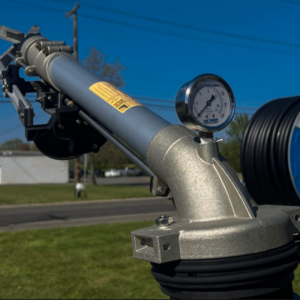
- Check pressure gauges for unusual readings
- Inspect and clean filters
- Look for visible leaks throughout the system
- Listen for unusual pump noises or vibrations
- Confirm sprinklers, emitters, and end guns are operating correctly
- Compare current performance to earlier in the season
Small adjustments and routine maintenance help keep your system running efficiently during peak demand.
When It's Time to Call for Service
Some pressure issues can be resolved through routine maintenance, but persistent problems may require a deeper look. If you're experiencing ongoing pressure fluctuations, pump performance issues, uneven irrigation, or repeated equipment failures, professional troubleshooting can help identify the root cause and prevent downtime.
Keep Your Irrigation System Running Strong
Reliable pump performance and proper water pressure are essential for consistent irrigation throughout the growing season. By monitoring your system regularly and addressing small issues early, you can improve efficiency, reduce water waste, and support healthy crops.
Whether you need replacement components, pump troubleshooting, or help diagnosing pressure problems, the team at Lee Rain is here to support your operation.

Copyright 2026 Lee Rain | Agricultural Irrigation All Rights Reserved | Created and Designed by VisionLine Media