
(877) 533-7878
5 Signs Your Irrigation System Is Ready for an Upgrade
5 Signs: Your Irrigation System Is Ready for an Upgrade
When you think about upgrading your irrigation system, it’s easy to picture replacing everything at once. But in reality, many upgrades are much smaller and much smarter.
Whether it’s replacing worn parts, improving filtration, upgrading your pump, or adding new technology, strategic improvements can help increase efficiency, reduce operating costs, and keep your system performing at its best.
While routine maintenance can extend the life of your equipment, every irrigation system reaches a point where upgrades make more sense than continued repairs. Recognizing those signs early allows you to plan ahead, avoid unexpected downtime, and make improvements on your schedule.
Here are five signs your irrigation system may be ready for an upgrade.
1. You’re Spending More Time Repairing Than Irrigating
Routine maintenance is part of owning any irrigation system. But when repairs become a regular part of your week, it’s worth asking whether your time and money are being spent in the right place.
If you’re constantly replacing fittings, repairing leaks, dealing with pressure issues, or changing out worn sprinkler components, those repairs can quickly add up in both parts and labor, while also increasing the risk of unexpected downtime.
For center pivots, replacing worn components with Valley Genuine Parts can help restore performance and extend the life of your equipment. In other cases, upgrading key components may be a more cost-effective solution than continuing to make temporary repairs.
2. Water Isn’t Being Applied Evenly
One of the clearest signs your irrigation system needs attention is inconsistent water distribution.
You may notice:
- Dry spots throughout the field
- Areas receiving too much water
- Uneven crop growth
- Pressure fluctuations
- Sprinklers or drip lines not performing as expected
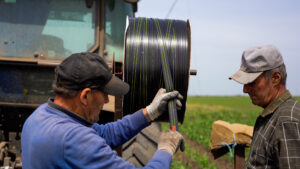
Even small inconsistencies can impact crop quality, reduce water-use efficiency, and increase operating costs.
Whether it’s replacing worn sprinkler components, updating drip tape, or improving filtration and pressure throughout the system, targeted upgrades can help restore more uniform water application and improve overall efficiency.
From Netafim sprinklers and Rain Tape drip irrigation to Lee Rain filtration solutions, the right improvements can help ensure your system is delivering water where and when it’s needed.
3. Your Operating Costs Keep Increasing
If you’ve noticed higher water, fuel, electricity, or labor costs over time, your irrigation system may be contributing more than you realize.
An inefficient pump may have to work harder to maintain pressure. Dirty or undersized filters can restrict water flow, while aging irrigation components may require longer run times to achieve the same results. Individually these issues may seem minor, but together they can have a significant impact on your operating costs.
Upgrading to a more efficient pump or improving your filtration system can help optimize performance while reducing unnecessary water and energy use.
4. Your Operation Has Changed
Your irrigation system should support the way you farm today, not the way you farmed years ago.
Maybe you’ve expanded into new acreage, added greenhouse or nursery space, changed crops, or increased production. As your operation evolves, your irrigation system should evolve with it.
Rather than working around the limitations of an existing system, upgrading key components or expanding your irrigation infrastructure can improve efficiency, increase flexibility, and better support your operation’s current needs.
5. You’re Missing Opportunities to Irrigate Smarter
Technology has transformed the way growers manage irrigation.
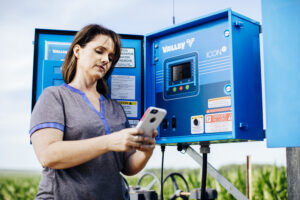 Instead of driving from field to field to check equipment, growers can remotely monitor and manage pivots using AgSense 365. Receiving alerts, adjusting irrigation schedules, and checking system status from your phone saves time while providing greater confidence that your system is operating as intended.
Adding tools like METOS soil moisture sensors can also provide valuable field data, helping you make irrigation decisions based on actual soil conditions instead of guesswork.
The best part? Upgrading doesn’t always mean replacing your entire irrigation system. Sometimes adding remote monitoring, installing sensors, improving filtration, or replacing key components can make a noticeable difference in both efficiency and performance.
Plan Ahead, Not Around Breakdowns
One of the biggest mistakes growers make is waiting until something fails before considering an upgrade.
Evaluating your irrigation system before problems become emergencies gives you time to prioritize improvements, budget appropriately, order equipment, and schedule installation when it’s most convenient for your operation.
A proactive approach not only helps reduce unexpected downtime, but also ensures your irrigation system is ready to perform when your crops need it most.
Plan Your Next Irrigation Improvement
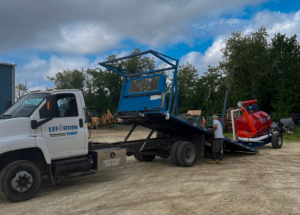 Every operation has different irrigation needs, which is why there is no one-size-fits-all solution. The right upgrade depends on your goals, your current system, and the challenges you’re facing in the field.
Whether you’re improving water quality with a Lee Rain filtration system, upgrading system performance with a Lee Rain pump, adding remote monitoring and control with Valley AgSense 365, or looking for ways to improve your overall irrigation setup, the team at Lee Rain can help you find the right solution for your operation.
Thoughtful upgrades today can improve efficiency, reduce operating costs, and help your irrigation system perform at its best for seasons to come.

Copyright 2026 Lee Rain | Agricultural Irrigation All Rights Reserved | Created and Designed by VisionLine Media