
(877) 533-7878
More Than a Pump: What Goes Into a Complete Irrigation Pump System?
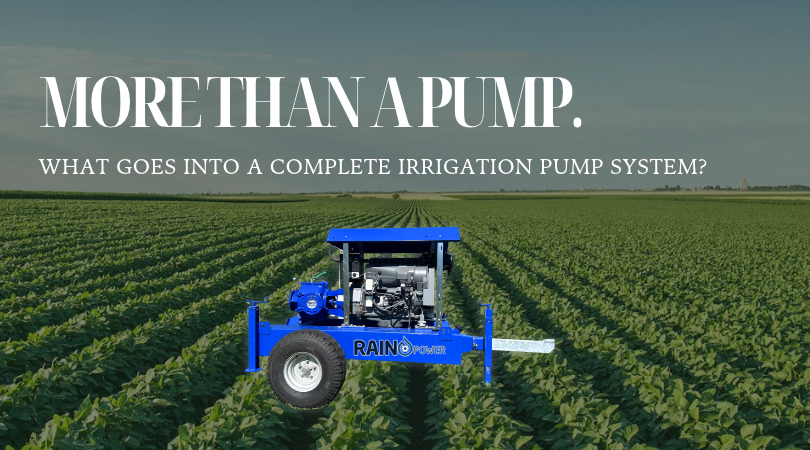
When it comes to irrigation, the pump is one of the most important parts of the system, but it is only one piece of the bigger picture. A reliable pump system depends on several components working together to move water efficiently and meet the demands of a particular operation. From the pump and engine to fuel tanks, priming systems, filtration, and mounting options, each component plays a role in how the system operates. Understanding how these pieces work together can help growers make more informed decisions when selecting equipment for their irrigation needs.
Every Application Has Different Requirements
No two irrigation operations are exactly alike. Water sources, pumping requirements, field conditions, and operating demands can all influence how a pump system should be configured. A system drawing water from a well may have different requirements than one pulling from a pond, river, or other surface water source. The distance water needs to travel, the amount of water required, and the pressure needed for the application also factor into selecting the appropriate equipment.
This is why choosing a pump involves more than simply looking at horsepower or pump size. The entire system needs to be considered to ensure the components are suited to the application.
 The Components That Work Together
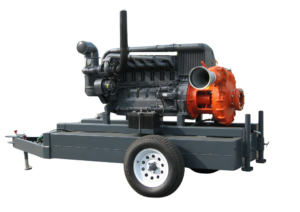
A complete irrigation pump system brings together several components, each serving a specific purpose. While configurations vary depending on the application, there are several key elements worth understanding.
The Pump
At the center of the system is the pump itself. Its job is to move water from the source and deliver it where it is needed. Selecting the right pump requires considering the application’s flow and pressure requirements, along with the conditions under which it will operate.
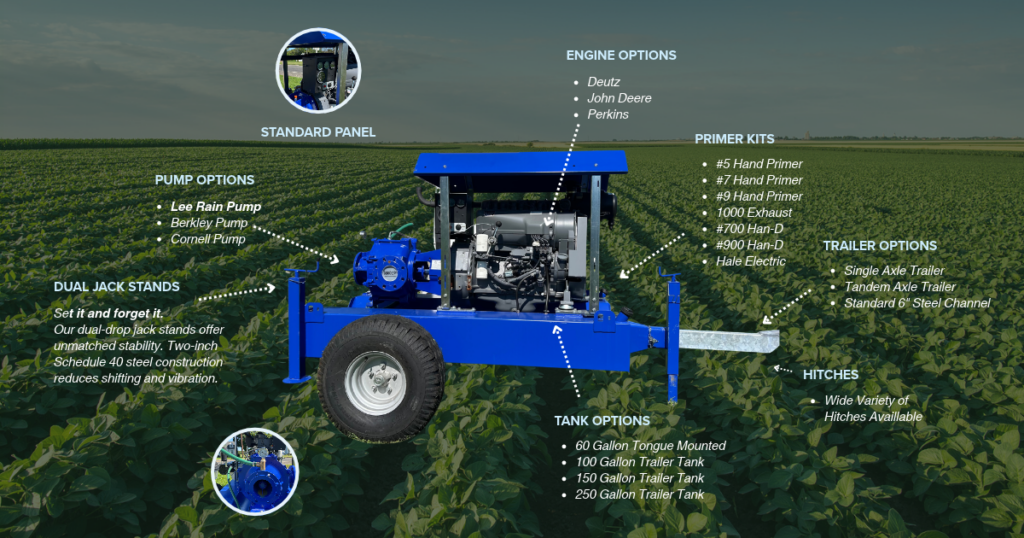
Pump design and construction also matter. Materials and components need to withstand the demands of regular operation. For example, the Lee Rain SM pump line features marine-grade special steel shafts and high-resistance cast iron impellers, designed with durability and long-term performance in mind.
The Engine and Power Source
The pump systems highlighted in this article are engine-driven, with the engine providing the power needed to operate the pump. Selecting the appropriate engine involves considering the pump’s requirements and the demands of the application.
Lee Rain also offers electric-driven pump options for applications where that power source is preferred. Matching the pump and power source to the operation is an important part of system configuration. An improperly matched setup can contribute to unnecessary fuel or energy consumption and affect overall performance.
Priming Systems
Priming is another important consideration, particularly in applications where the pump needs assistance removing air and establishing water flow before operation.
Different priming options are available depending on the pump configuration and application. Selecting the appropriate setup helps ensure the system is equipped for its intended operating conditions.
Fuel Tanks and Mounting Options
For diesel-powered systems, fuel tank capacity is an important consideration. The right tank configuration depends on the engine, expected operating time, and requirements of the operation.
Mounting and mobility also play a role. Trailer configurations, jack stands, and hitch options can make a difference in how a pump system is positioned, transported, and used in the field.
Filtration and Additional Components
The water source and intended application may also determine whether filtration or other accessories are needed.
Water drawn from wells, ponds, rivers, and other sources can contain sediment, sand, organic matter, and other particles. Depending on water quality and system requirements, filtration options such as sand media filters, screen filters, and hydrocyclones can help remove unwanted material before water moves through the irrigation system.
Additional components, including valves, fittings, gauges, and other accessories, may also be incorporated depending on the system’s design and requirements.
Not every operation needs the same combination of components. The goal is to select the options that make sense for the application rather than adding equipment that isn’t necessary.
Experience and Support You Can Count On
Selecting and configuring a pump system takes more than matching specifications. It requires an understanding of irrigation applications, equipment, and the conditions in which the system will operate.
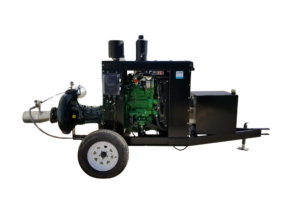
At Lee Rain, our team works with customers to understand their needs and determine the right combination of pumps, power sources, and supporting components. Through our RAIN POWER line, we offer flexible configuration options and build systems around specific applications, backed by the parts, service, and irrigation expertise customers need.
Have a specific pumping application in mind? Contact the Lee Rain team to discuss your requirements and learn more about our RAIN POWER pump systems.

Copyright 2026 Lee Rain | Agricultural Irrigation All Rights Reserved | Created and Designed by VisionLine Media