
(877) 533-7878
The Changing Seasons: How Fall Weather Affects Irrigation
Fall brings a different set of conditions for growers. Cooler temperatures, shorter days, changing rainfall patterns, and crops moving toward maturity can all affect how much water is needed. After a summer of managing higher temperatures and greater water demand, irrigation needs begin to change as the season moves forward.
That doesn’t mean irrigation simply stops when fall arrives. It means the conditions around the crop are changing, and irrigation decisions may need to change with them.
When the Weather Changes, Water Use Changes
During the summer, higher temperatures and longer days can drive higher crop water use. As fall arrives, cooler temperatures and shorter days generally reduce the amount of water crops use each day.
But the change isn’t always consistent.
A stretch of warm, dry, or windy weather can still increase water demand, even later in the season. Because conditions can change from week to week, the calendar alone isn’t enough to determine when irrigation is needed.
Fall may bring lower water demand, but crops can still need water.
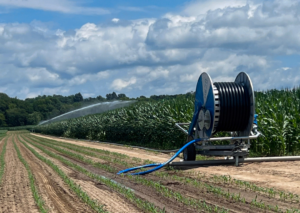
Irrigation needs can change as temperatures, daylight, and crop conditions change throughout the season.
Rainfall Becomes Part of the Equation
Rainfall can become an even bigger part of the irrigation picture as the season progresses. A period of consistent rain may provide enough moisture to reduce the need for supplemental irrigation, while a dry stretch can leave crops needing additional water. But the amount of rainfall doesn’t always tell you how much moisture is actually available to the crop.
Several factors can affect how much of that rainfall reaches and remains in the root zone:
- Amount and intensity of rainfall
- Soil type and drainage
- Existing soil moisture
- Crop root development
- Weather following the rainfall
A recent rain doesn’t automatically mean irrigation is no longer needed. At the same time, irrigating simply because a field has been dry for several days may not be necessary if sufficient moisture remains in the soil.
The goal is to understand the moisture available to the crop, not simply react to the last rainfall.
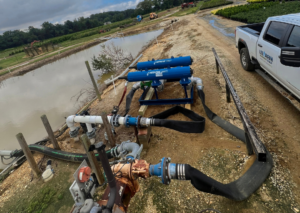
The right irrigation setup helps growers manage changing water conditions throughout the season.
The Crop Still Has a Say
Weather is only one part of the equation. Crop growth stage is just as important.
As crops move toward maturity, their water requirements generally decline. However, crops can still need water during important late-season growth stages, and needs can vary depending on the crop and where it is in its development.
An irrigation decision that makes sense while a crop is actively developing may not make the same sense when that crop is close to maturity.
Consider:
- What stage is the crop in?
- How much water remains available in the root zone?
- How much water is the crop likely to use before maturity?
- What weather is expected over the next several days?
Looking at these factors together provides a clearer picture of whether additional irrigation is actually needed.
Look Below the Surface
What you see on the surface doesn’t always tell you what’s happening in the root zone.
A field may look dry after several days without rain while adequate moisture is still available deeper in the soil. The opposite can also happen, a recent rainfall may leave the surface looking wet without providing enough moisture where the crop’s roots need it.
Soil type, drainage, root depth, and recent weather all influence how long moisture remains available.
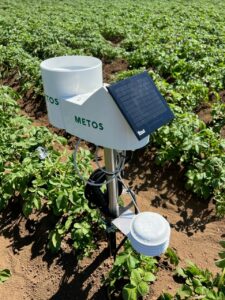
Monitoring soil moisture can provide another piece of the puzzle. Soil probes, moisture sensors, and other irrigation management tools can help growers better understand how much water is available to the crop before deciding whether more is needed.
Fall Isn’t One-Size-Fits-All
There isn’t one irrigation schedule that works for every operation in the fall.
A sandy soil may behave differently than a heavier soil. A crop that is still actively developing may have different needs than one that is close to maturity. And a rainy week followed by several warm, windy days can change conditions again.
Even within the same operation, different crops, soil types, or areas of a field may have different water needs.
Fall irrigation isn’t about using less water simply because summer is over. It’s about using the right amount of water for the conditions.
What to Watch as the Season Changes
As fall progresses, several factors can help provide a clearer picture of what your crops need. Keep an eye on:
- Temperature and changes in daily weather
- Rainfall and how much moisture is reaching the soil
- Wind and conditions that can increase water loss
- Soil moisture in the root zone
- Crop development and how close the crop is to maturity
- Upcoming weather that could affect your next irrigation decision
Looking at these factors together can help you make decisions based on what’s actually happening in the field rather than relying on a set schedule.
Using Information to Make Better Decisions
As irrigation needs change throughout the season, having the right information can make it easier to respond.
Weather information, soil moisture, crop development, and irrigation system performance can all provide useful insight into changing conditions. Agricultural analytics and monitoring tools can also help growers better understand what is happening with their crops and environment.
At Lee Rain, we work with growers on irrigation solutions and agricultural analytics that support informed water management throughout the growing season. From irrigation equipment and system expertise to tools that provide information about crop and environmental conditions, we’re here to help growers make decisions that fit their operation.

Adjust With the Season
Fall doesn’t mean irrigation is over. It means the conditions that influence irrigation decisions are changing.
Cooler temperatures, shorter days, rainfall, soil moisture, and crop maturity can all affect how much water a crop needs. Paying attention to those changes can help growers determine when irrigation is needed and when it isn’t.
Irrigation doesn’t follow the calendar. It follows the needs of the crop and the conditions around it.
As the season continues, keep watching those conditions and adjust as needed.
Have questions about your irrigation needs? Contact Lee Rain to talk with our team.

Copyright 2026 Lee Rain | Agricultural Irrigation All Rights Reserved | Created and Designed by VisionLine Media