
(877) 533-7878
How Cold Weather Impacts Your Irrigation System: What’s Normal vs. What’s a Problem
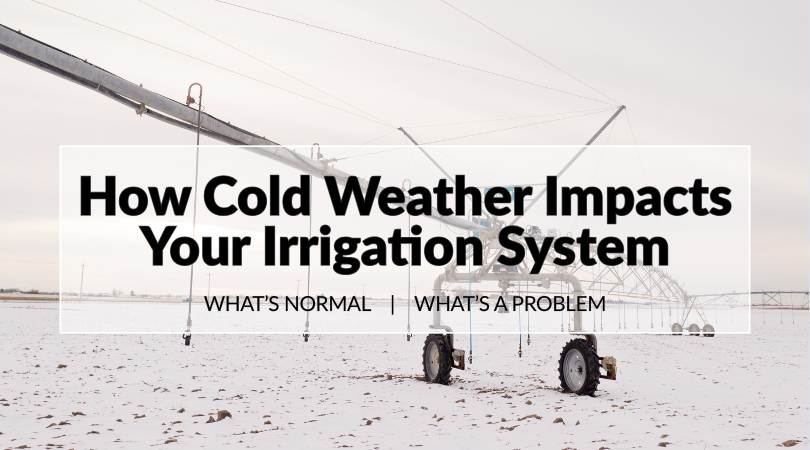
Winter is hard on equipment, and irrigation systems are no exception. From pivots and reels to drip lines and pump stations, cold temperatures create stress across every part of a system. Some of what growers see in January is completely normal: the natural result of metal contracting, hoses stiffening, or lines being drained for the off-season. But other signs point to issues that can linger beneath the surface and turn into costly repairs when spring arrives.
Here’s a clear breakdown of what cold weather typically does to irrigation systems, and how to tell the difference between harmless winter conditions and problems worth addressing.
 Pivots: What Frost Tells You and What It Doesn’t
Pivots are built to handle winter weather, and it’s common to see frost buildup on towers, spans, and other components. Cold temperatures also make steel contract, which can cause spans to feel slightly stiffer when moved.
Normal winter behaviors:
- Frost or ice forming on the exterior
- Slight stiffness in spans or joints
- Light wheel-track marks from seasonal freeze–thaw changes
If pivots lean, sit unevenly, or show oil leakage around gearboxes after a freeze, that’s worth closer attention.
Reels & Hard Hose Systems: When Stiffness Is Normal and When It Isn’t
Reels see predictable changes in winter. Hose material naturally stiffens in the cold, and rewind speeds may slow slightly.
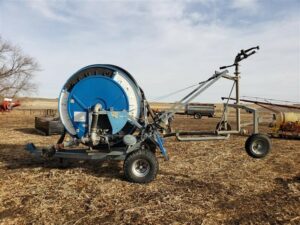
Normal winter behaviors:
- Stiff or rigid hose
- Hose remaining slightly misshapen after being stored
Signs that point to a deeper issue:
- Hairline cracks developing along the hose
- Frozen water pockets trapped in pumps, manifolds, or gun assemblies
- Sections of hose that refuse to flex even in warmer afternoon temperatures
These issues often show up after the first few freeze–thaw cycles of the season.
Drip & Micro Irrigation: Freeze Stress Below the Surface
Winter impacts drip and micro irrigation differently than larger systems. Because these lines are smaller and more flexible, freeze damage can be subtle, especially when components are buried.
Normal for winter:
- Drip lines looking deflated after shutdown
- Emitters inactive or dry
- Some surface lines shifting due to frost heave
Possible problems:
- Cracked fittings or couplers caused by trapped water expanding
- Subsurface leaks that won’t appear until thaw
- Pipe or header damage from water left inside flexible materials
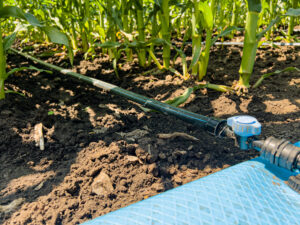 Growers often first notice these problems
when zones fail to pressurize evenly in early spring.
Filtration & Pump Stations: Where Cold Weather Hits Hardest
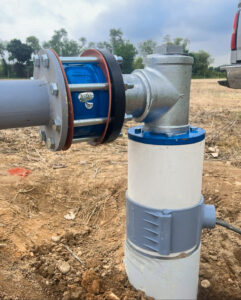 Cold weather is toughest on filtration systems and pump stations,
especially if they weren’t fully winterized.
Normal for winter:
- Condensation on housings or piping
- Slight pressure changes due to temperature swings
Possible problems:
- Frozen valves or filter bowls
- Cracked housings on filters or regulators
- Burst plumbing where residual water expanded
- Corrosion forming on exposed electrical components
The Big Thaw: What to Watch as Temperatures Rise
Some winter-related problems hide until the weather breaks. During warm-ups and thaws, pay attention to:
- Sudden drops in system pressure
- Muddy or soft spots that indicate underground leaks
- Emitters or zones that fail to charge even when temperatures rise
- Pivots that sit unevenly or show unexpected movement
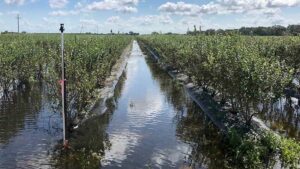
These signs often point to damage caused weeks earlier during the coldest stretches.
Understanding Winter Stress Helps Protect Your System
Cold weather will always impact irrigation equipment, that’s part of the season. The key is knowing what’s normal winter wear and what signals a deeper issue. Recognizing the difference protects equipment, prevents delays at startup, and keeps the spring season running smoothly.

Copyright 2026 Lee Rain | Agricultural Irrigation All Rights Reserved | Created and Designed by VisionLine Media